
Beyond the Mauve Zone
Oblique to the paths that give on to other dimensions, and beyond them, there lies a region which the author has termed “the Mauve Zone”. Mystics, magicians, sorcerers, artists of many kinds have - over the centuries - skirted it, stumbled upon it, and fled from it.

Outer Gateways
The Typhonian Tradition discussed in this book matured and declined before even the monumental phase of the earliest civilizations. This is witnessed by fragments of magical and mystical lore once current in Egypt and the Far East. The Tradition lingered on and became corrupt with passing epochs and the gradual attrition of an ages-old lineage of Initiates.

Hecate’s Fountain
Hecate’s Fountain is a highly original approach to contemporary Hermetic thought and experimental occultism. During the rituals of New Isis Lodge (1955-1962) it was noted that not all of them achieved the object for which they were performed.

Outside the Circles of Time
Outside the Circles of Time explores a complex of such ideas, from Blavatsky’s Secret Doctrine, Crowley’s The Book of the Law, Lovecraft’s Necronomicon, and Frater Achad’s researches. It also explores the work of Soror Andahadna, a contemporary Priestess of Maat whose work has parallels with that of Frater Achad some decades previously when he announced the inauguration of the Aeon of Maat in April 1948.

Nightside of Eden
There exists a map of consciousness, with its light and dark byways, in the form of a qabalistic glyph known as the Tree of Life. It has its roots in the primal earth of Eden, but its branches extend into extra-terrestrial dimensions.

Cults of the Shadow
Cults of the Shadow explores obscure aspects of occultism that have been frequently, and mistakenly, associated with the negative and sensational phenomena of so-called “black magic”

Aleister Crowley and the Hidden God
Aleister Crowley vowed to free man from bondage by showing him how to invoke his latent genius; the Hidden God. It is characteristic of Crowley that to this end he utilised the mysterious energies of sex: the most potent, most obsessive of man’s illusions which, if used unintelligently, strengthens the false sense of individual existence that divorces him from the fullness of cosmic consciousness.

The Magical Revival
It provides a detailed analysis of certain occult traditions which existed long before the Christian epoch, survived its persecutions and anathemas, and reappeared in recent times with renewed vigour.

The Carfax Monographs
Drawn from their pioneering documentary work in the late 1940s, the original Carfax Monographs were an ambitious crossroads of art and occultism from the early magical career of Steffi and Kenneth Grant. Privately published as a series of occult essays with hand-drawn images by Steffi between 1959-1963, the original monographs were produced in very small numbers. Few survive.

Hidden Lore, Hermetic Glyphs
When writing the original synopsis of this work in the early 1960s, the authors made clear that the purpose of The Carfax Monographs was to reconstruct and elucidate the hidden lore of the West according to the canons preserved in various modern esoteric orders and movements.

Borough Satyr
Borough Satyr: The Life and Art of Austin Osman Spare is the long awaited full colour introduction to the work of this astonishing London artist.
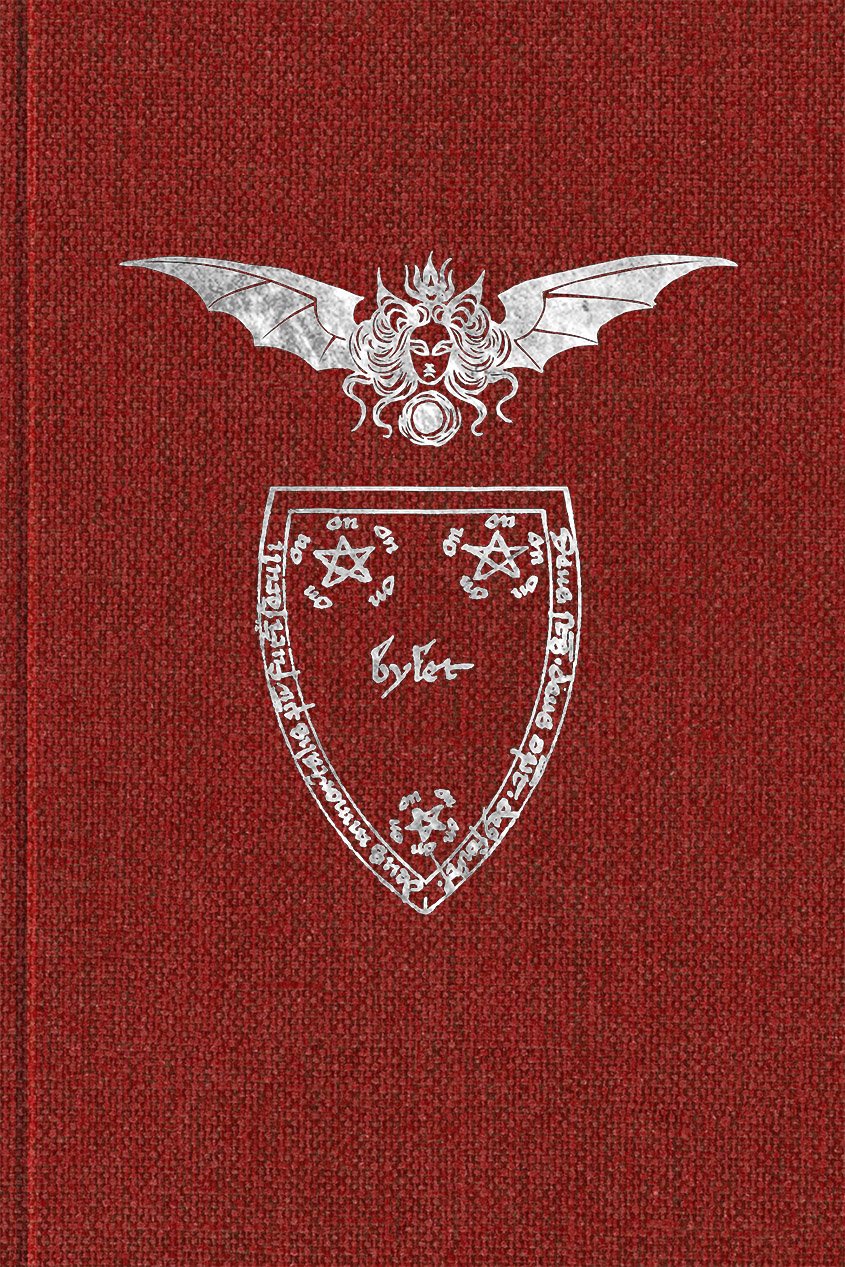
The Canticles of Lilith
In The Canticles of Lilith we meet a power that adorns herself in absence, whose true persuasion consist in the cult of reverence and self-deification where this terrible, amoral force finds its apotheosis as the stellar and cosmic root of movement in itself and from this the shadow of all things visible and tangible.
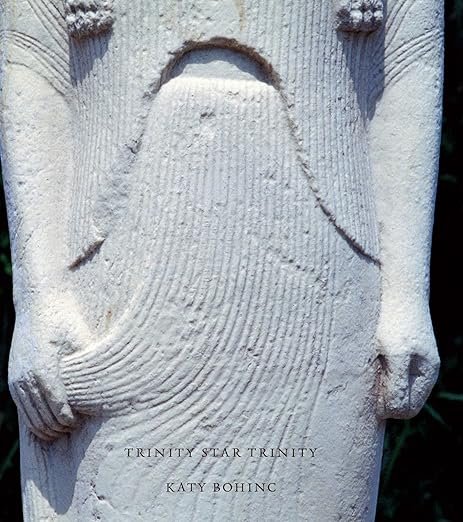
Trinity Star Trinity
Katy Bohinc’s Trinity Star Trinity is a long poem dedicated to the divine feminine, written in response to her experiences and encounters with faith and divinity during a sojourn on the islands of Lesvos, the home of Sappho; Samos, the birthplace of Hera; and Patmos, where St John wrote the Book of Revelation.
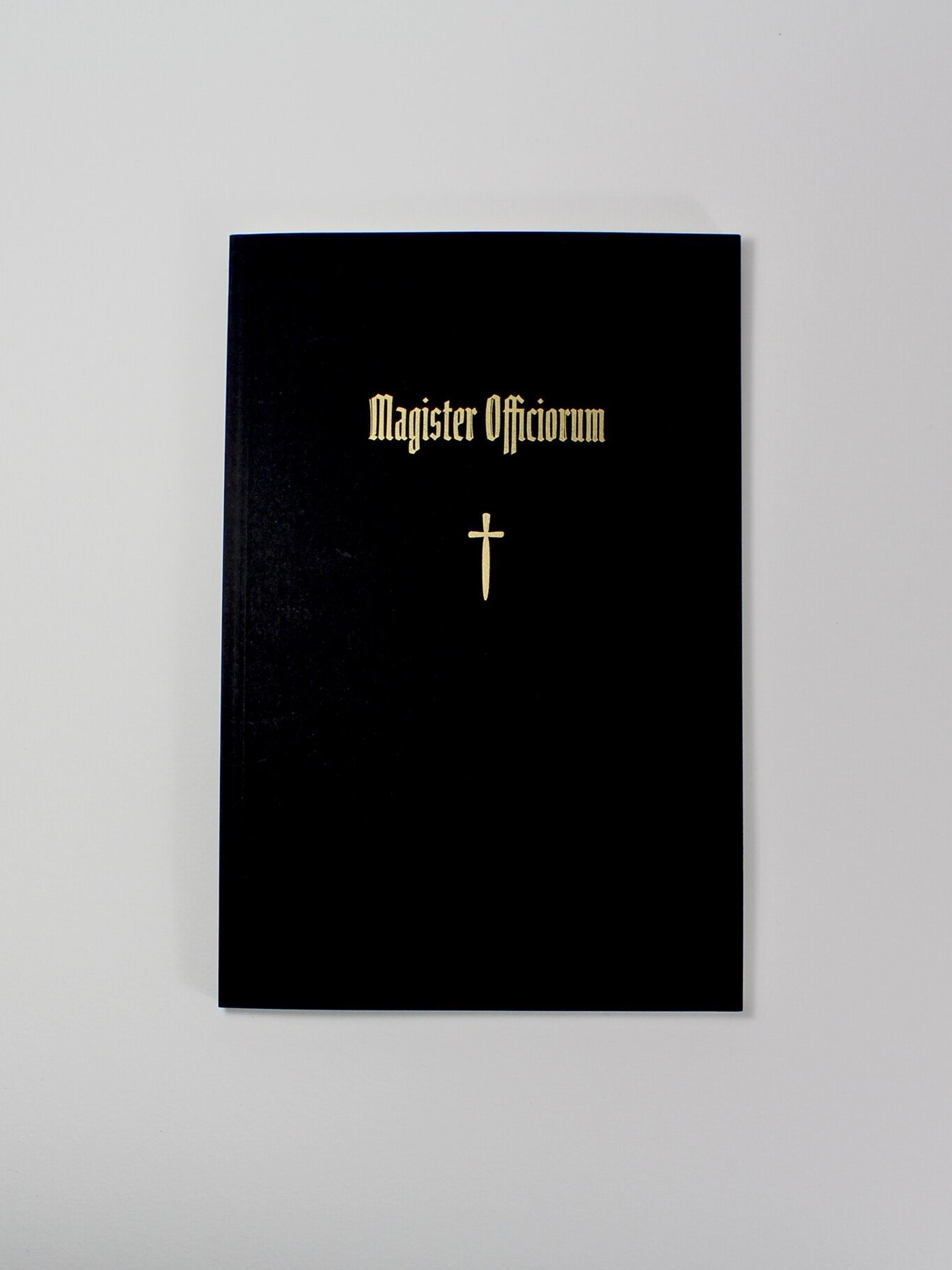
Magister Officiorum
Magister Officiorum: The Ceremony of Solomonic Magic is an essential text for those who practice Solomonic magic; the result of extensive magical work, this is a record of attainment informed by the Western magical tradition, Espiritismo and Obeah.

Visions of Enchantment
Since Antiquity, the idea of the artist as a magician, trickster and powerful creator of new realities has established itself as a fertile idea in the discussion of image-making. The conjuring of illusions, the inherent link between the material and the spiritual and the wish to make the invisible visible are all part of this wider discourse.

Spell Book of the Good Witch of Pendle
People who practised magic often kept notebooks. Based on authentic records, this is an imagining of a 17th century spell book that might have been written by Pendle witch Jennet Device.

A Discovery of the Impostures of Witches and Astrologers
First published in 1680, A Discovery of the Impostures of Witches and Astrologers by John Brinley is an important example and contemporary account of the establishment’s ideas, beliefs and debate surrounding the practices of witchcraft, magic and divination that lay behind the approved persecution of witches and other practitioners.

Occlith Labyrinthus Archidoxae Volume 1: Codex Homunculi
Taking the artificially-created anthropoid as its theme, Codex Homunculi gathers together some of the most obscure and ancient texts hermeticism on what is arguably one of the most taboo and heretical operations of the Alchemical Art.

Occlith Labyrinthus Archidoxae Volume 0: Omniform
Containing essential texts of the Paracelsian School of Alchemy, the whole serves as an animated sourcebook of essential Hermetic philosophy and Natural Magic, vivified through the letterpress-inspired type design and Uccello’s ink and brush drawings.
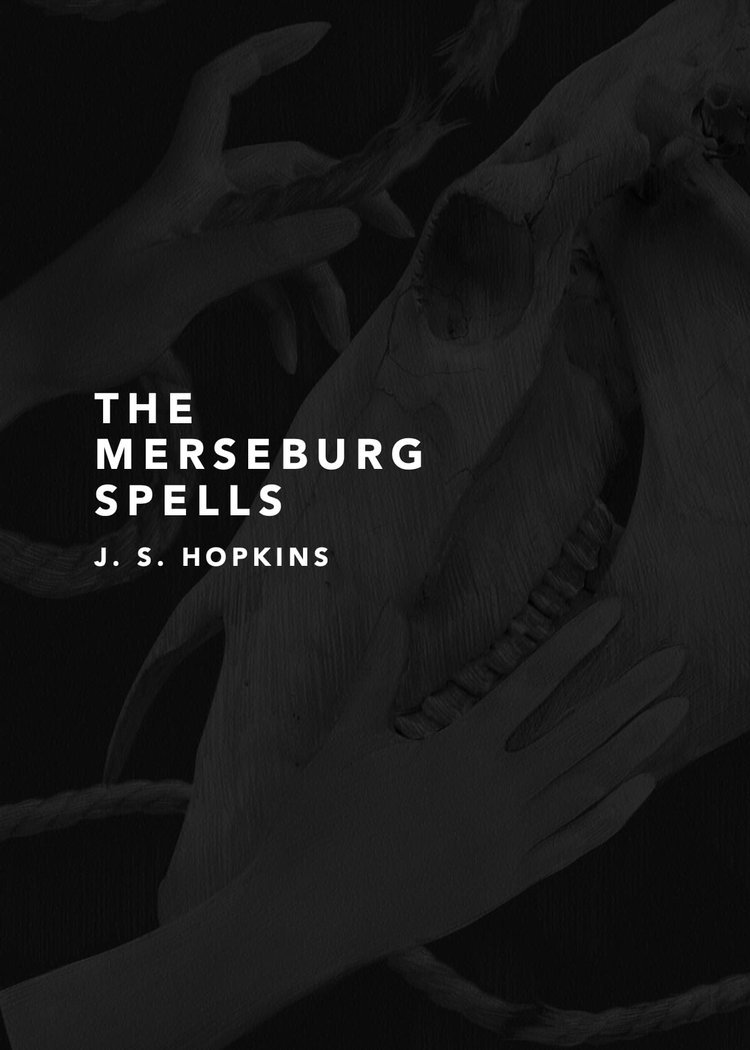
The Merseburg Spells
In 1841, German historian Georg Waitz was leafing through a series of manuscripts in what is now Merseburg, Germany. There he discovered what would seen be known as some of the most important items in ancient Germanic studies: two brief pieces of Old High German alliterative verse, a traditional variety of poetry associated with speakers of ancient Germanic languages from at least the early 400s.