Hyldyr
Hyldyr is an independent and experimental publishing company based in Olympia, Washington state, USA. Founded in early 2022, Hyldyr produces high-quality and unique items, all falling within the triangle of art, ecology, and folklore studies. We are heavily inspired by the works of English polymath William Morris, do-it-yourself movements, and our mountainous surroundings.
Website - https://www.hyldyr.com/

In this second entry in a planned three part series covering all of the rune poems, Danish scholar Mathias Nordvig (University of Colorado Boulder) translates and discusses the Icelandic and Swedish rune poems.

No other plant is more associated with witchcraft in parts of northern and western Europe than the elder tree (Sambucus nigra).

Alongside Morris's two innovative fantasy novels is a third, stranger work: The Folk of the Mountain Door, an unfinished book he worked on until his death in 1896.
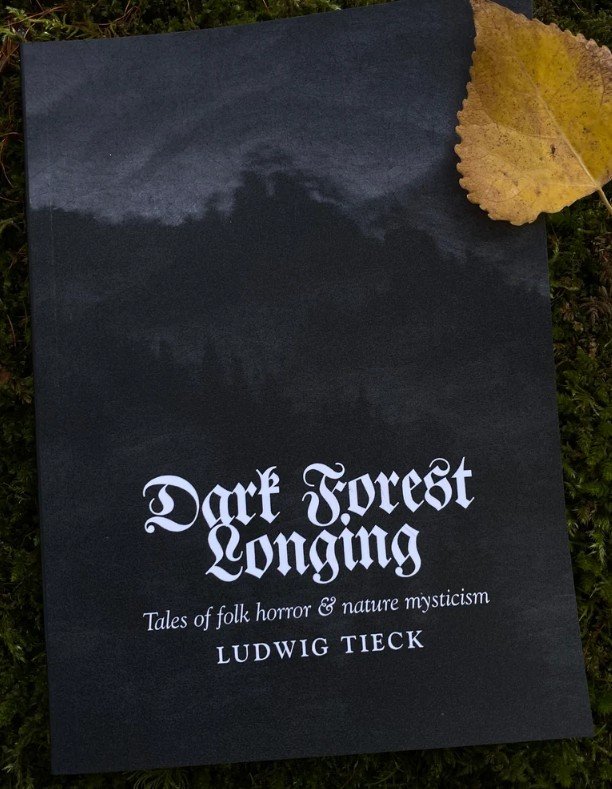
Although today largely unknown in the English-speaking world, few authors in history can match the potent and uncanny darkness conjured by the early German romanticist Johann Ludwig Tieck

One of the most influential novels ever written but today quite obscure and rarely in print, English polymath William Morris’s The Roots of the Mountains may well be the first true modern fantasy fiction novel.

The Elder Futhark is a unique alphabet developed and used by speakers of early Germanic languages in large areas of Europe.
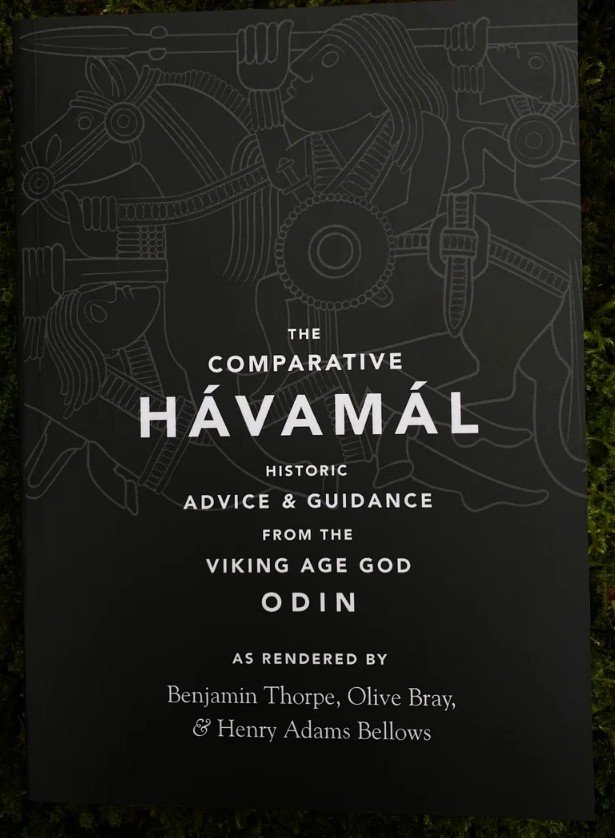
Widely celebrated and referenced in popular culture as a literary treasure and even achieving the status of holy scripture in some contemporary new religious movements
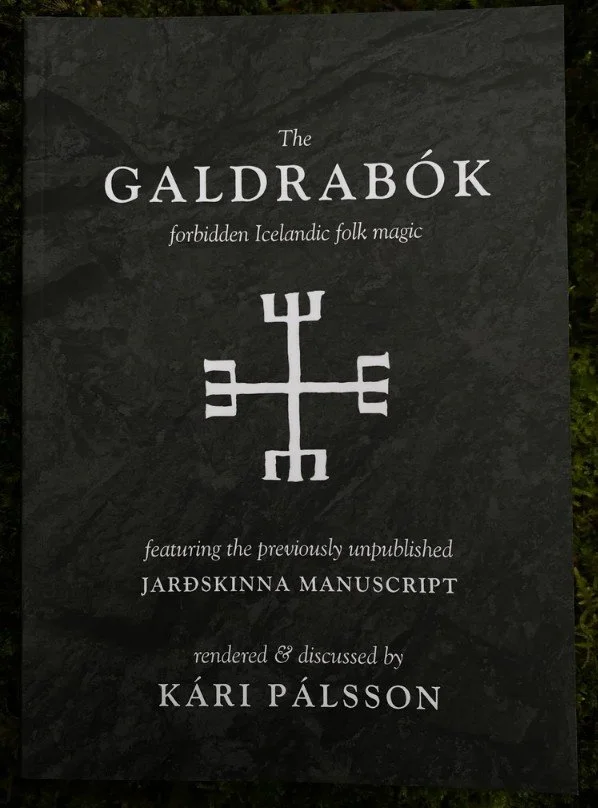
Once forbidden by the church on penalty of severe punishment and even death, Iceland’s occult symbols have been subject to a remarkable transformation over the past few decades
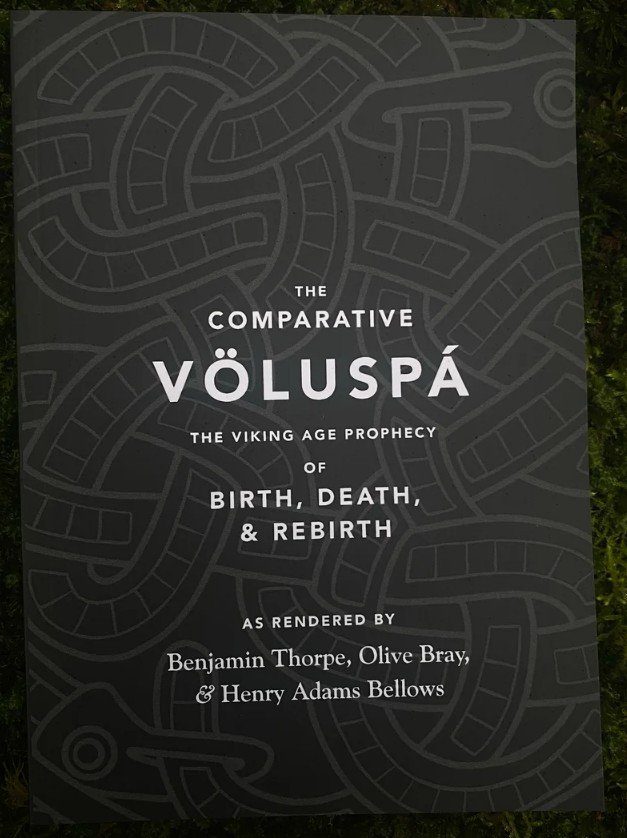
Originating in Viking Age Scandinavia but containing elements of much earlier origin, no poem in the Old Norse corpus is more celebrated than the harrowing masterpiece Völuspá, the 'prophecy of the völva', a type of seeress esteemed in the pagan period comparable to contemporary notions of a witch.
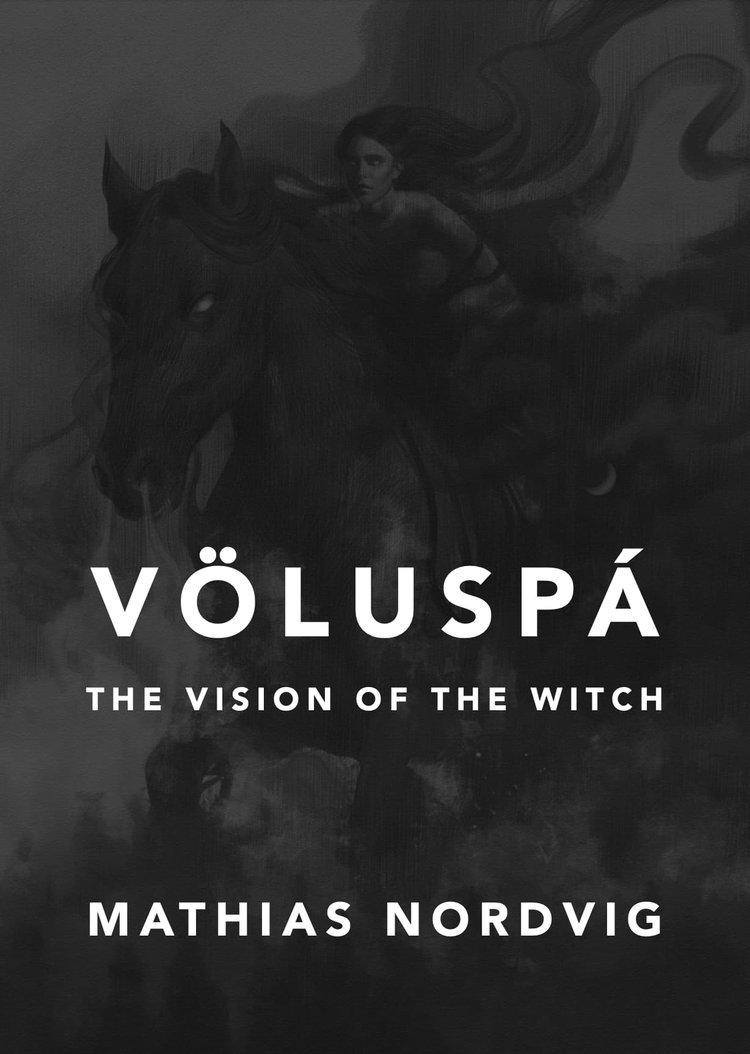
Völuspá is the single most celebrated and discussed poem among all those that survive in Old Norse, the language of the Viking-Age Scandinavians.
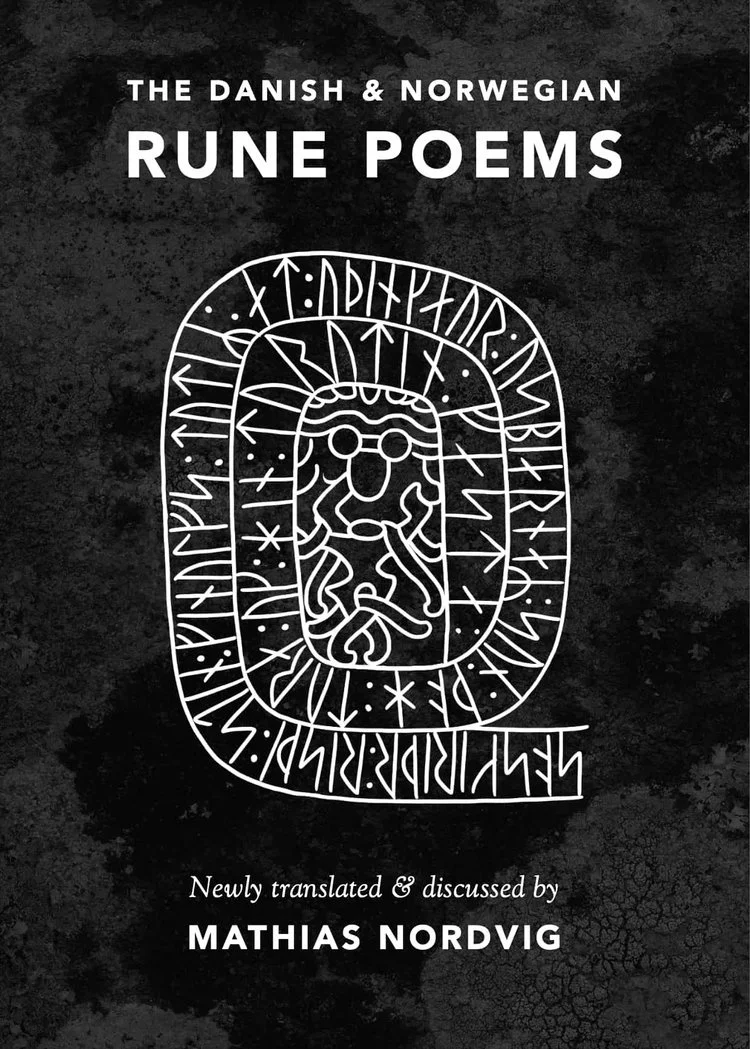
The rune poems are a group of alliterative items found among speakers of West and North Germanic languages. They provide not only names for the runes but consist of creative treatments of the traditional order of the runic alphabets.
In 1841, German historian Georg Waitz was leafing through a series of manuscripts in what is now Merseburg, Germany. There he discovered what would seen be known as some of the most important items in ancient Germanic studies: two brief pieces of Old High German alliterative verse, a traditional variety of poetry associated with speakers of ancient Germanic languages from at least the early 400s.
More referenced than ever in today’s popular culture, the Viking Age was a complex and vibrant period of history that left behind an incredibly lush landscape of imagery and literature. Yet navigating this material can be complex and difficult.
Vibrantly animistic and remarkably hypnotic, Nigon Wyrta Galdor—the so-called Nine Herbs Charm—is an Old English healing galdor that invokes nine personified plants and the pagan god Woden to defeat a serpent before exploding in a psychedelic climax.