Three Hands Press
Three Hands Press, a sister publishing house of Xoanon Publishing, was conceived in Summer 2003 as a joint venture between Andrew Chumbley, Daniel Schulke, and an anonymous third party. Its name refers in part to the threefold actuating force of author, publisher, and the animating spirit of a book. This triune power is the quintessence of the reifying textual force, and aptly glyphs our regard of the Magical Book as sentient manifestations of the Logos.
Dually-born of vision and epiphany, Three Hands arose in consideration of the body of essays, academic works, and other writings beyond the intent and scope of Xoanon, but common to its corpus of authors. Thus the need was recognised for a textual vessel serving the varied concerns of these separate works, with the additional benefit of Xoanon’s publishing ethos. Because of the high magical calibre of Xoanon’s textual corpus, as well as the loyalty and good faith of its long-time patrons, our endeavour has assumed wings and taken flight.
Website - https://threehandspress.com/
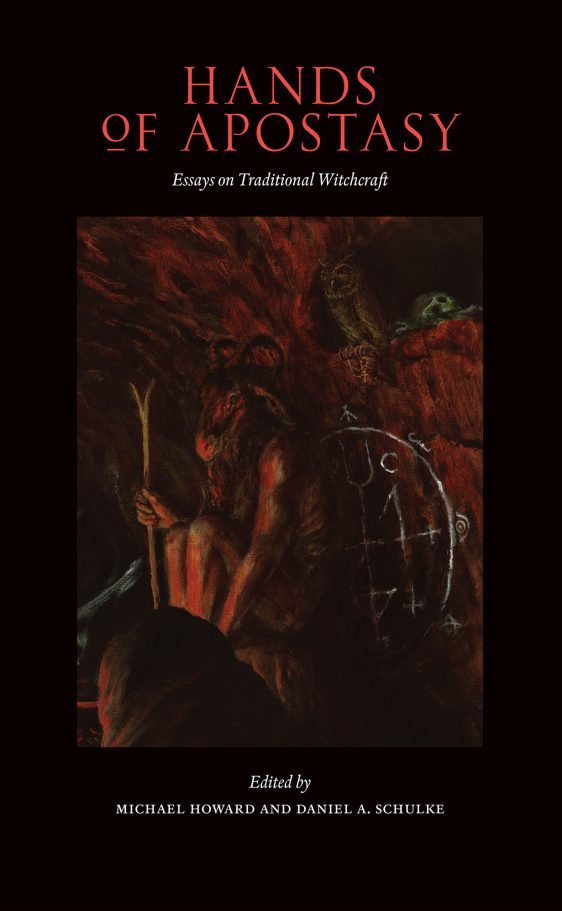
Old-style Craft, also known as traditional witchcraft, endures as a distinct body of archaic magical practices in present-day Britain, North America and Australia. Originally nameless, such bodies are related to a variety of historical magical streams, most notably the practices of the Grimoires or ‘black books’, folk-healing, and popular magic of the early modern era.
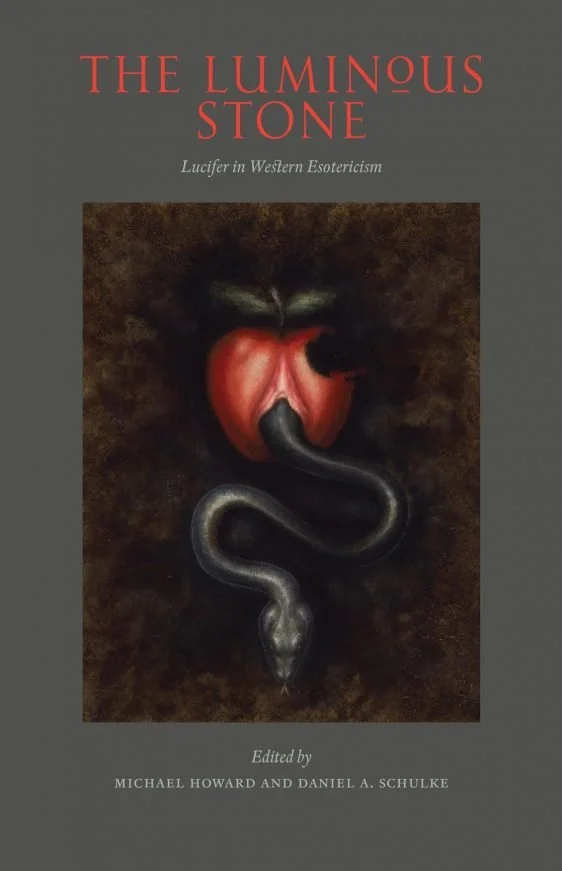
The Arcanum of the ‘fallen angel’ Lucifer evokes such concepts as heresy, rebellion, pride, liberation from the bonds of demiurgic oppression, and impetus for human evolution.
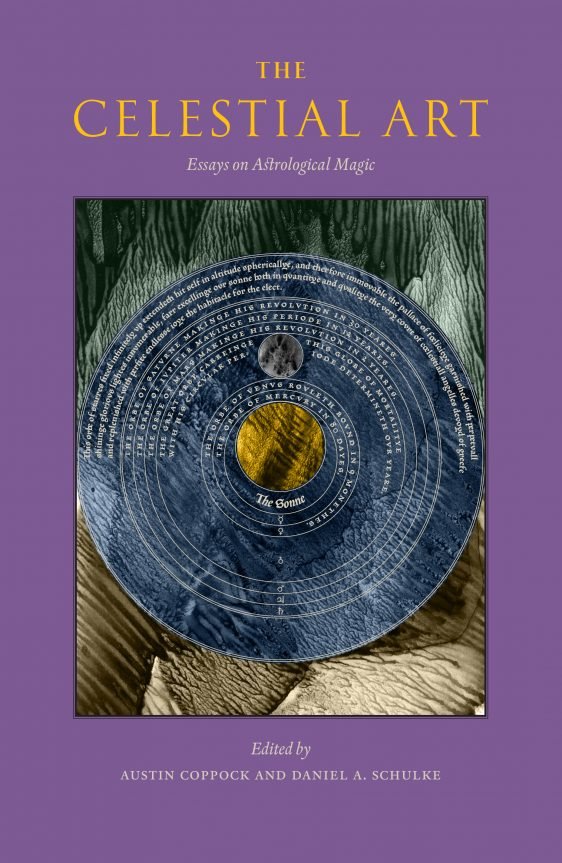
It is a fact of history that the origins of magic and medicine are rooted in the Starry Wisdom of the ancients. Their intersection is evident at numerous and varied points on the timeline.
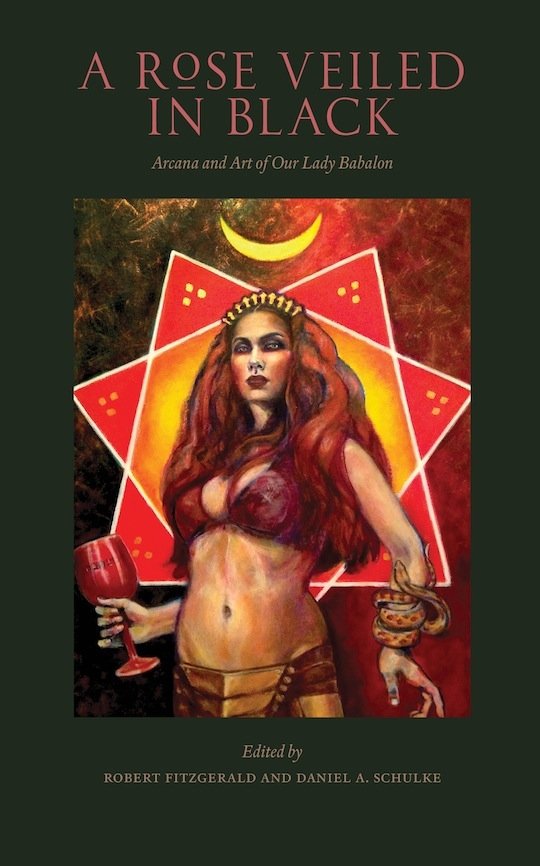
The Lady Babalon is one of the more enigmatic figures in the Cult of Thelema. She is a manifold deity in the sense that She is a divine harlot, an initiatrix, a creator and a destroyer.

The book examines the ritual magic and spiritual frameworks of the renowned Swiss alchemist Paracelsus (1493–1541). Its approach to the subject is divided into three categories: biographical, historical and practical.

The Pyrenees Mountains of Spain, France, and Andorra are the birthplace of the primordial witch known as the bruxa. This unique supernatural figure could communicate with spirits, cast spells, control weather, and serve as the Devil's consort. It was here, in the dark, rugged alpine landscapes of the Pyrenees, that the first secular laws against witchcraft were passed in 1424. Drawing on legal records, local history, and folklore, the Land of the Goat explores the Pyrenean witch, its magic, and evolution over time.

In the historical records of European Witchcraft, one of the most notorious allegations against the accused was the use of a magical salve to gain the power of nocturnal flight.

Throughout history, certain individuals held renown for their power over the spirits, the forces of Nature, and their supernatural powers, through the practice of the arts of magic.

Liber Coronzom offers the occult student a practical approach to working with the angelic entities and powers that populate the world of Enochian magic, the early modern occult system based on the mysterious spirit-conjurations of Elizabethan astrologer Doctor John Dee.
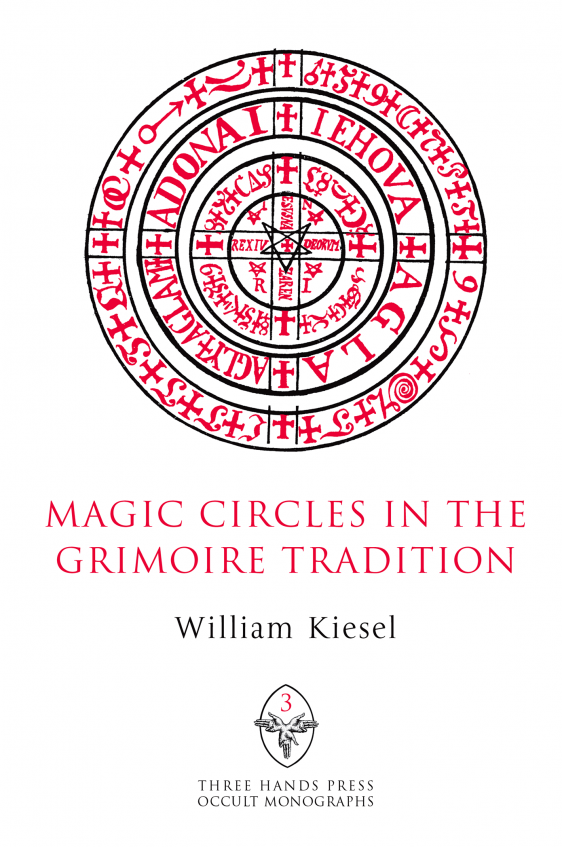
Magic Circles have been depicted in popular expressions of magic and witchcraft as well as detailed with full rubrics in traditional manuals of magic such as the Clavicula Solomonis or Liber Juratus.
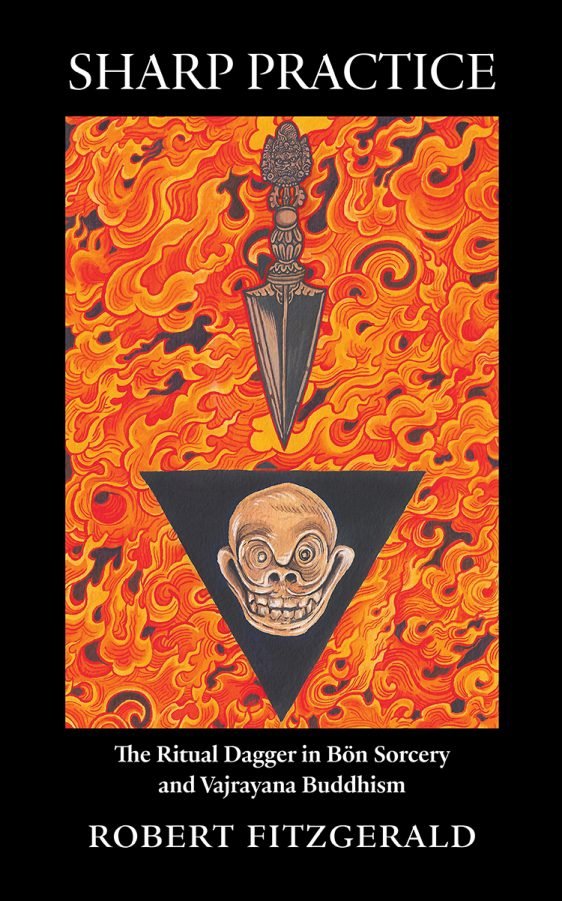
Ritual daggers have long been vital accoutrements in the exercise of magic, sorcery and shamanic practice. As a means of subduing demonic forces, their essence is derived from their power to penetrate and transfix.

Written in the great tradition of the medieval bestiaries, Robert Fitzgerald's long-awaited new work Arcanum Bestiarum re-imagines the animal menagerie in the context of bestial mystery and atavistic power.
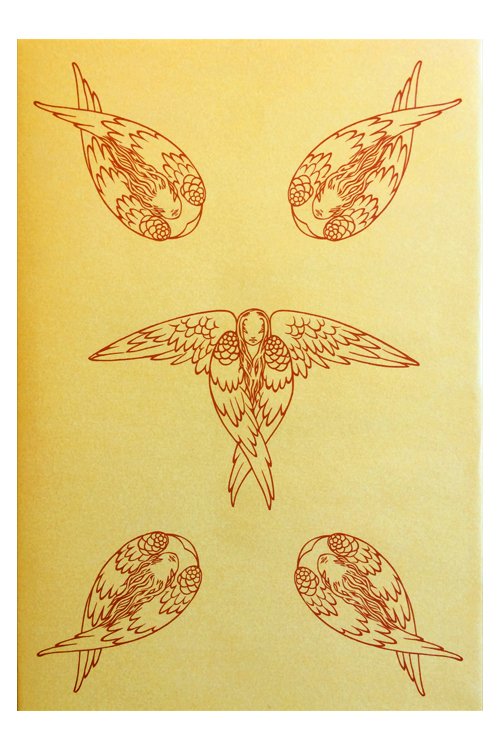
Aleister Crowley's obscure Liber 231 remains one of his most enigmatic received magical texts, and one whose genesis directly concerns the workings of astral magic and trance-mediumship.

Beyond its vulgar function as a means of execution, the Gallows has long served as a source of occult power. From the severed appendage of the thief that becomes the Hand of Glory, to the fallen seed that spawns the mandrake root, the Hanging Place is awash in the sinistral ambiance of ancient sorcery.

Those who dwell unseen within the hedge, the grotesques emergent in the weave of tangled roots, the writhing form amid the shadows of the Willow boughs—all are keepers of a rustic and terrible wisdom predating the emergence of mankind. Lurching between disembodiment and wholly manifest flesh, the baleful forces of wasteland and rural barren have long been etched upon the human soul.
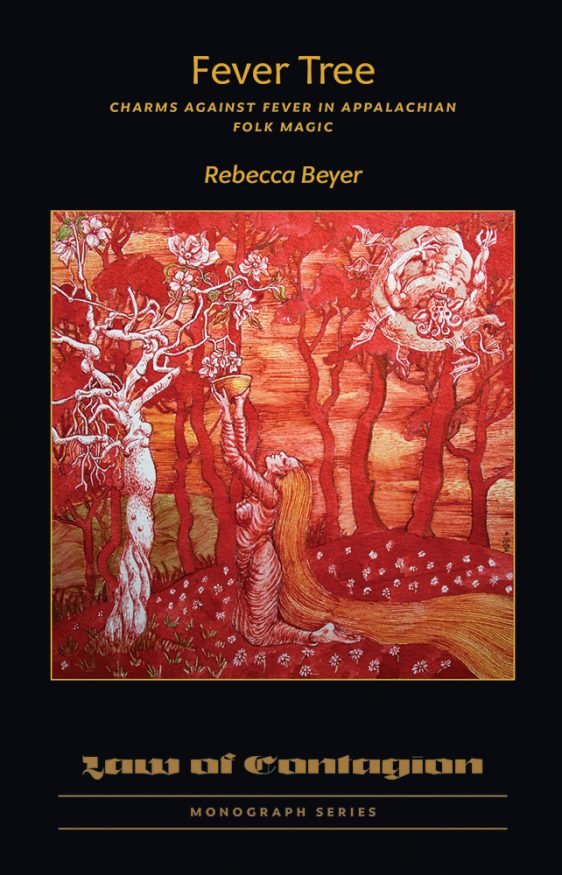
Appalachia is a distinct bio-region of America with a wealth of unique plant and animal life. This biodiversity is mirrored by an equally rich human tapestry, woven over thousands of years, giving rise to distinct cultural traditions.

With its geographic diversity of rocky edifices, deep river valleys and dense forests, Europe's Balkan mountain region has been characterized as a natural fortress. This natural multiformity is mirrored by an ancient admixture of magical beliefs and practices present in the region for thousands of years.

A shared feature of genuine magical practice and religious experience is the impression of ‘Otherness’, an entic arena of alienation and unfamiliarity. Contrasted with the more comfortable and known spheres of the Self, this ‘state apart’ provides not only inspiration and wonder, it is the dwelling-place of the gods and the prime source of gnosis, direct experience with the divine.
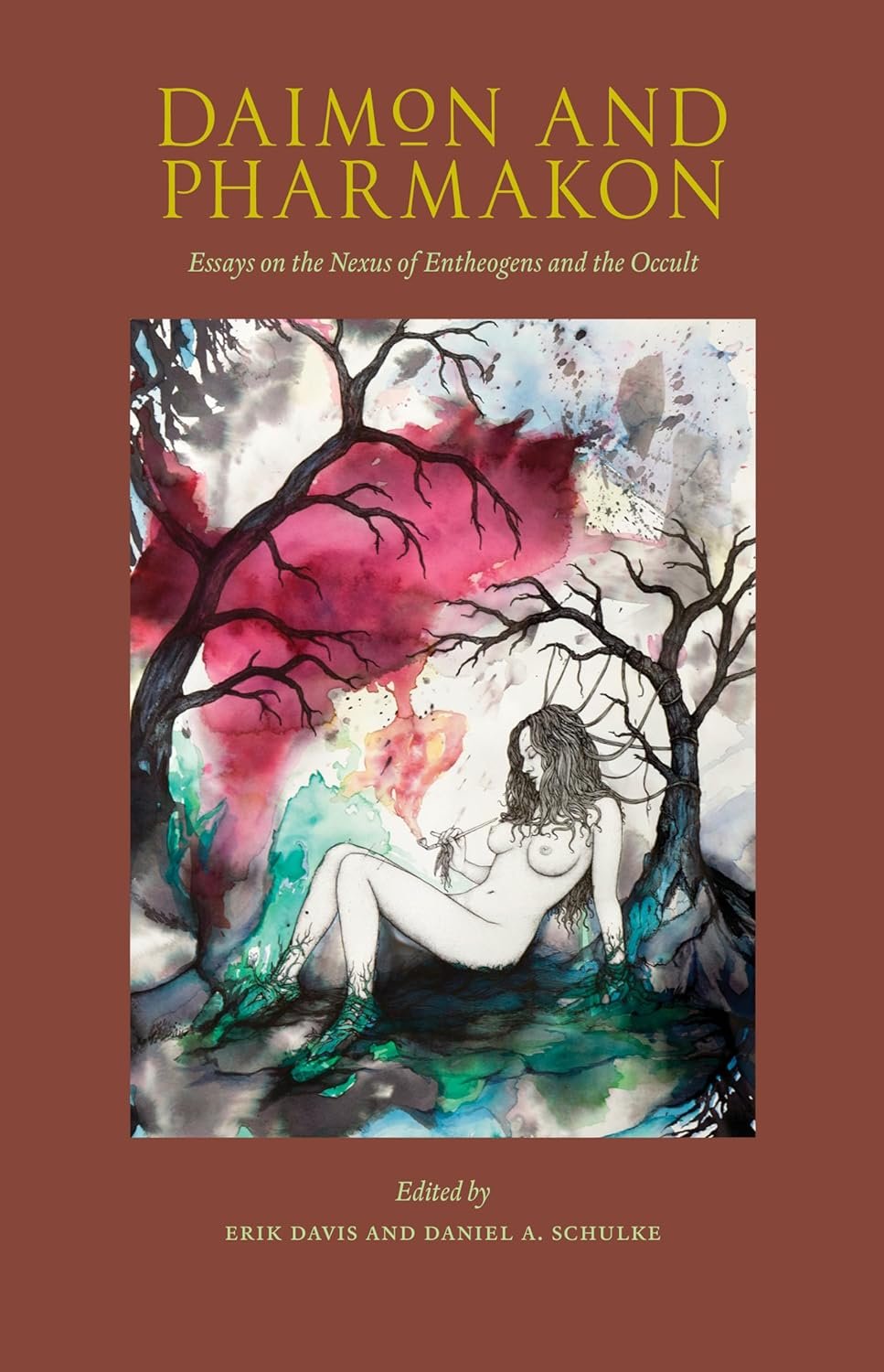
Daimon and Pharmakon contains thirteen cutting-edge essays on the contribution of psychoactive substances to occult and esoteric spiritual traditions.
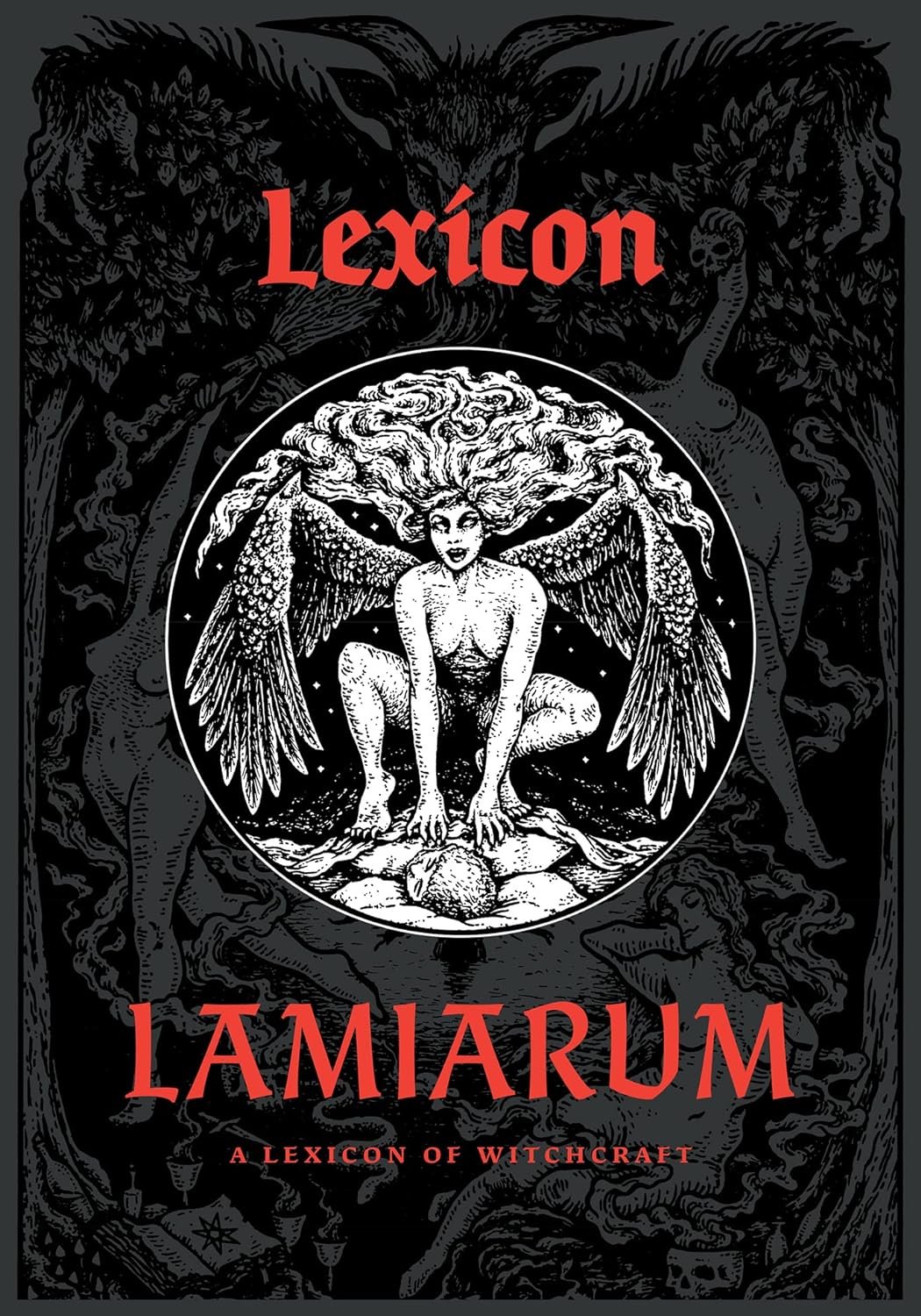
The Lexicon of Witchcraft is an illustrated compendium of witchcraft terminology, encompassing rituals, symbols, spirits, objects, and other specialized concepts of witchcraft.

The figure of the witch in medieval Europe was strongly defined by her relation to the Sabbat: the phantasmagoric nocturnal rite where the living trafficked with the dead.

Onomasticon of Occult Herbs is a cross-cultural lexicon of sacred plant names, as they emerged from the religions and magical traditions of the world.

The chalk downs of Sussex possess a fascinating cultural tapestry of folk belief, spell-craft, charms, and lore.
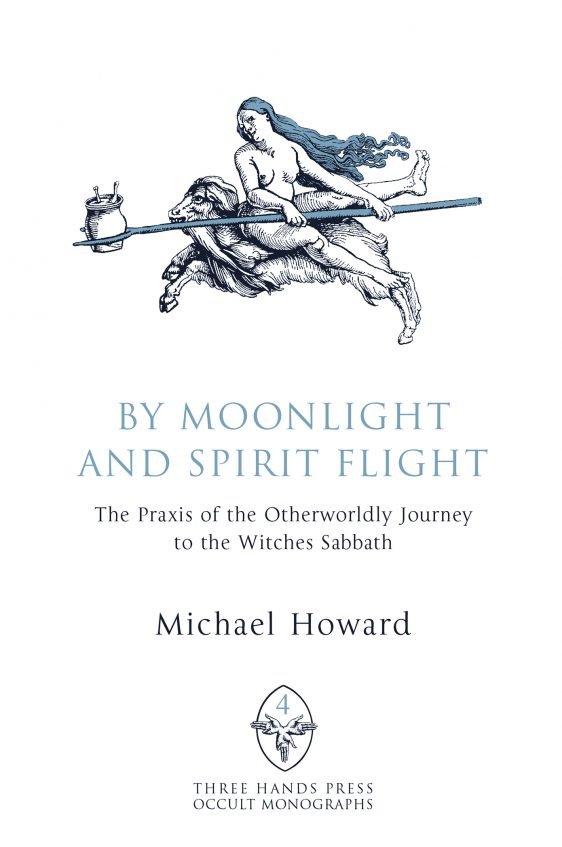
As has been established by historians such as Dr. Carlo Ginzburg and Éva Pócs, the topological elements of the medieval Witches’ Sabbat –the ecstatic nocturnalia of the lamiae — carry relics of the ancient spirit-cults and localized folk-beliefs of Europe.

The mid-twentieth century witnessed the birth of popular occultism in the West, including an interest in witchcraft. At the forefront of popular witchcraft was Wicca, a recension of ceremonial magic and nature worship advanced by Gerald Gardner and Alex Sanders, now widely regarded as a religion.

In 1643 several men and women appeared in court at Chelmsford, Essex, charged with practicing the curious combination of ‘conjuration, magic and lechery’. The chief witness was a servant woman, Martha Hurrell, who claimed that she and a group of other people met regularly in various country houses to practice magic

n the village of at Cullen in Forfarshire, an arrest warrant was served in January 1657 for one Margaret Philp, accused of practicing witchcraft. Her servant, Isobel Imblaugh, testified she had seen her mistress have dealings with a spirit taking the form of a talking hare.

In 1930 a correspondent writing to the Western Morning Post newspaper confidently asserted 'We live in an age when those old twilight beliefs are disappearing'. The beliefs in question were various aspects of popular superstition and the supernatural once widely accepted by people in the West Country.

The widespread belief in witches and wizards in Wales reflects a land steeped in legend and myth since ancient times. The witch’s power to harm people, livestock, and crops was greatly feared; for this reason country people consulted with so-called ‘cunning men’ and ‘wise women’ who had the power to negate their spells with counter-magic.

Far from being a religion defined by rituals of peace, and love and salvation, Christianity has a dark side which historically embraced the imprecatory arts—rituals of cursing and malediction.